
Getting started with driving is a big step, and one of the first things you’ll need to sort out is your provisional licence. If you’re wondering how to apply for a provisional licence, you’re definitely not alone—this is something every learner driver in the UK has to go through. The good news is that it’s a pretty straightforward process once you know what you’re doing, and in this guide, we’ll walk you through everything you need to know in a simple, easy-to-follow way.
Whether you’re keen to get behind the wheel as soon as possible or just starting to think about learning, understanding the process now can save you time later.
A Quick Guide on How to Apply for a Provisional Licence in the UK
Before you get started, it helps to have a clear idea of what’s involved. From knowing the right age to apply to understanding the costs and how long everything takes, having the right information upfront can make the whole process feel much more manageable.
Here’s a quick breakdown of what we’ll cover in this guide:
- What Age Can You Drive in the UK?
- What Is a Provisional Licence?
- How Much Is a Provisional Licence?
- How to Get a Provisional Licence
- How Long Does It Take for a Provisional Licence to Come?
- How long does a provisional licence last?
What Age Can You Drive in the UK?
In the UK, most people are allowed to start learning to drive at 17. This is the standard minimum age for getting behind the wheel as a learner driver. However, there are a few exceptions that are worth knowing about.
Those who receive the enhanced rate of the mobility component of Personal Independence Payment (PIP) can actually start driving at 16. This gives some people an earlier opportunity to gain independence and build driving skills.
Even though 17 is the typical starting point, that doesn’t mean you need to rush into it straight away. Some people prefer to wait until they feel ready, especially if they’re balancing studies, work, or other commitments. There’s no “perfect” age to start—what matters is that you feel confident and prepared.
Once you’ve reached the right age and have your provisional licence sorted, you can begin taking driving lessons in Milton Keynes with a qualified instructor or anyone who meets the legal requirements to supervise you.

What Is a Provisional Licence?
A provisional licence is basically your permission to start learning to drive on UK roads. It’s issued by the DVLA and allows you to practise driving under certain conditions.
Without a provisional licence, you’re not legally allowed to drive at all—not even with supervision. Once you have it, you can begin lessons, practise with friends or family (as long as they meet the requirements), and eventually work towards your driving test.
There are a few important conditions that come with a provisional licence:
- You must be supervised by someone who is at least 21 years old and has held a full UK driving licence for at least 3 years.
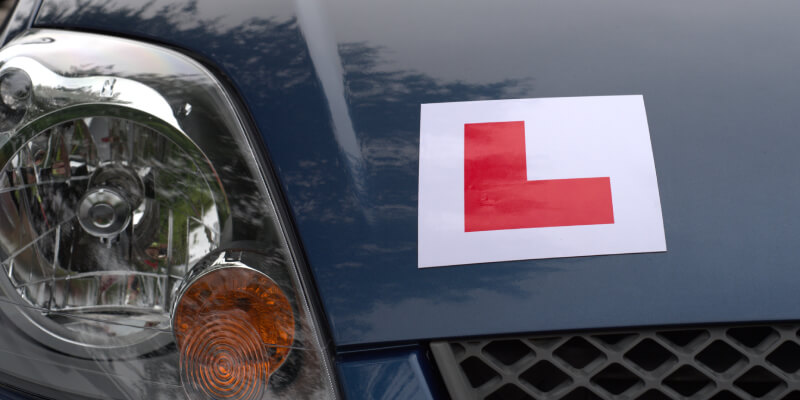
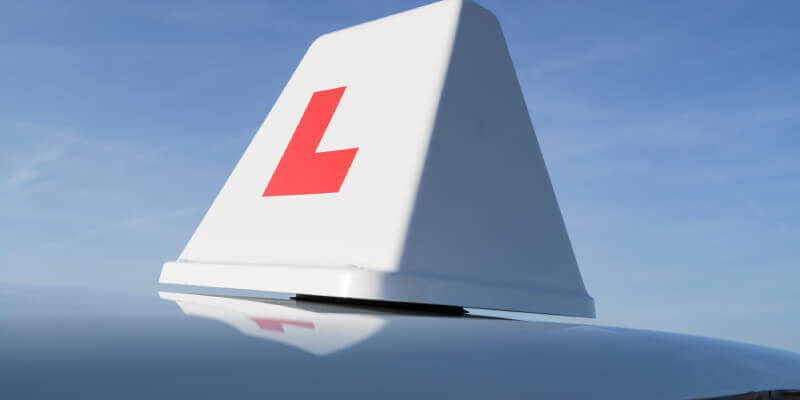
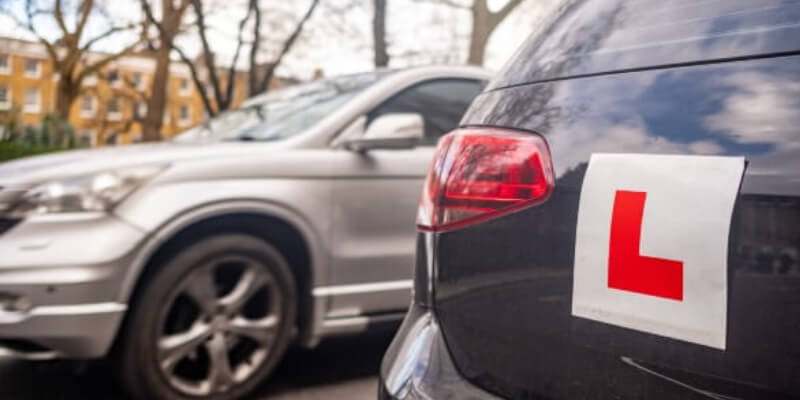
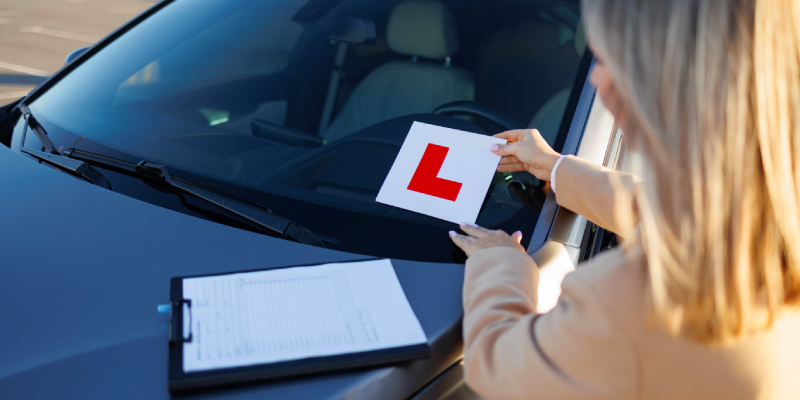
- You need to display L plates on the front and back of the car.
- You can’t drive on motorways unless you’re in a dual-controlled car with an approved driving instructor.
It’s also worth noting that a provisional licence isn’t just for cars. The same licence also covers other categories, such as mopeds and light motorcycles, although additional rules may apply.
For most learners, this is the first step into driving, and it’s an exciting milestone. Once it arrives, you can plan your lessons and get real road experience.
How Much Is a Provisional Licence?
The cost of a provisional licence in the UK is relatively affordable, especially compared to overall learning costs.
If you apply online, the fee is usually £34. If you choose to apply by post, it’s slightly higher at £43. Most people go for the online option because it’s quicker, easier, and cheaper.
While this might seem like a small expense, it’s still worth budgeting for, especially if you’re planning to start lessons soon after. Learning to drive can add up, so every saving helps.
There are no hidden fees for the application itself, but you may need to pay for things like a passport-style photo if you don’t already have one that can be used digitally. You’ll also need to provide identification, which could involve additional costs if you don’t have the required documents ready.
If you want a clearer idea of what you’re paying for, it helps to understand how the cost is structured and what’s included in the application fee—for example, things like identity verification, processing your application, and printing the licence itself.

How to Get a Provisional Licence
Applying for your provisional licence is a lot simpler than it might sound. Most people choose to apply online, and the process only takes around 10–15 minutes if you have everything ready. This is the quickest and most secure option, compared to applying by post.
To apply, you’ll need:
- A valid UK passport (if you have one)
- Your addresses from the last three years
- Your National Insurance number (if you know it)
- A debit or credit card for payment
If you don’t have a passport, you can still apply, but the process may take a bit longer as you’ll need to send additional documents, such as a birth certificate, to confirm your identity.
Once your application is submitted, the DVLA will review your details and process your request. In some cases, they may contact you for further information.
Once your licence comes, you’re able to start learning straight away. Most people choose to do a few lessons with a driving instructor first, especially if they want professional guidance. Choosing a reputable driving school in Milton Keynes can make a big difference to how quickly you progress.

How Long Does It Take for a Provisional Licence to Come?
Learners often ask how long they’ll have to wait after applying.
Online, your licence usually arrives in about a week, depending on demand and DVLA workload.
If you apply by post or need to send additional documents, it can sometimes take up to 3 weeks or more.
It’s also worth remembering that delivery times aren’t entirely in the DVLA’s control. Once they have issued your licence, it still needs to be delivered to you, and that can depend on the postal service itself. Delays in post can often slow things down, so it’s always a good idea to apply in advance of when you actually want to start driving.
While you wait, you can still use the time productively by researching instructors, brushing up on the Highway Code, booking your theory test in advance, or even pre-booking your driving lessons – of course, you may need to re-arrange if your licence is delayed. Understanding road signs and rules before you start driving can make your lessons more productive and reduce stress when you get on the road.
How Long Does a Provisional Licence Last?
In the UK, a provisional driving licence is valid for 10 years. That means you’ve got plenty of time to learn, practise, and pass your test without needing to worry about it expiring anytime soon.
Many learners pass within a year, depending on how often they practise and how quickly they build confidence.
However, if you don’t pass your test within that 10-year period, you’ll need to renew your licence to continue driving legally as a learner.
Even though it lasts a long time, it’s still a good idea to stay consistent with your lessons once you start. Taking long breaks can slow your progress and make it harder to pick things back up.
Getting regular practice in makes a big difference; most learners find the best approach is a mix between practising with friends and family, and taking driving lessons in Milton Keynes with a professional driving instructor.
Wrapping It All Up: Getting Started the Right Way
Getting your provisional licence is the first step towards driving, and honestly, it’s not as complicated as you might think. At first, all the rules, forms, and costs can feel overwhelming. But if you just focus on one thing at a time, it starts to click.
Knowing the right age to apply and what your licence actually allows you to do makes life a lot easier. After that, it’s really about practising whenever you can and slowly building confidence. Trying out small things, like joining a roundabout or reversing into a parking space, can make a big difference over time. Some tries will be better than others, and that’s completely normal.
Everyone learns differently. Some people pick it up fast, some need more time—and both are okay. The important part is just showing up, practising regularly, and having someone to guide you if you get stuck. Even little wins count, like remembering all the mirror checks, feeling confident in a new area, or safely merging onto a main road for the first time.
Before long, you’ll go from having a provisional licence to holding a full one, and it really does feel like a big step forward. Driving isn’t just about passing a test—it’s about feeling confident enough to get where you need to go, on your own terms, and having that bit of freedom that comes with it.