
When you start learning to drive, some road situations can take time to get used to. You often need to make quick and safe decisions while driving.
So, what is a crossroad? It’s a point where two roads meet, and traffic can go in different directions, sometimes from several sides at once. You’ll see them on quiet neighbourhood streets and busy town roads. Each crossroad can feel a bit different, depending on its layout and traffic volume.
Learning to handle crossroads is key to becoming a confident, safe driver.
What Is a Crossroad? Rules, Signs, and How They Work in the UK
In this article, we’ll look at the main things learner drivers should know about crossroads in the UK and how they work in different situations. You’ll find out about the main types you might see, including unmarked crossroads, and how to approach them safely.
We’ll explain how crossroads differ from other junctions, what common road signs mean, and how to spot them while driving. You’ll also get advice on who has the right of way, common mistakes learners make, and simple tips to help you feel more confident at crossroads. The main topics are listed below to make it easier to follow along.
- What Is a Crossroad in the UK?
- What Is an Unmarked Crossroad?
- Difference Between Crossroads and Junction
- Crossroad Sign Examples
- Who Has Right of Way on a Crossroad?
- Common Mistakes and Tips for Crossroads

What Is a Crossroad in the UK?
A crossroad in the UK is a place where two roads meet and cross, allowing traffic to move in different directions from several entry points. You can find crossroads on quiet residential streets as well as busy main roads. Drivers often need to make quick decisions based on what they see ahead.
At a crossroad, you often need to watch out for more than one hazard at once. Some common things to look for are:
- Vehicles approaching from different directions.
- Pedestrians crossing or waiting nearby.
- Cyclists filtering through traffic.
- Changing priorities depending on signs or markings.
- Limited visibility, especially on smaller roads.
With more experience, understanding how crossroads work gets easier. If you’re taking driving lessons in Milton Keynes with us, you’ll come across many different road layouts as you practice. The most important thing to remember is that crossroads are not just about following rules. They’re also about looking ahead and reacting safely to other people on the road as things happen.
What Is an Unmarked Crossroad?
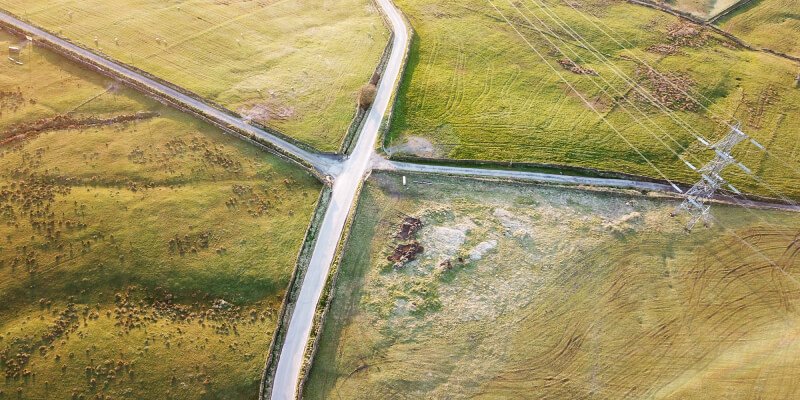
An unmarked crossroad is where two roads meet, but there are no signs or road markings to indicate who should go first. You won’t see traffic lights, stop signs, or give-way markings, so drivers have to use their own judgement and pay close attention to decide when it’s safe to go.
This can make unmarked crossroads feel a bit confusing at first, especially for new drivers. You’ll usually find them in quiet neighbourhoods or on country roads where traffic control isn’t needed. Even though they look simple, they actually require you to pay extra attention and be more careful.
When you come up to an unmarked crossroad, it’s safest to slow down early, look carefully in all directions, and be ready to stop if you need to. Don’t assume other drivers have seen you or will let you go first. Everyone at the junction needs to make safe choices.
Difference Between Crossroads and Junction
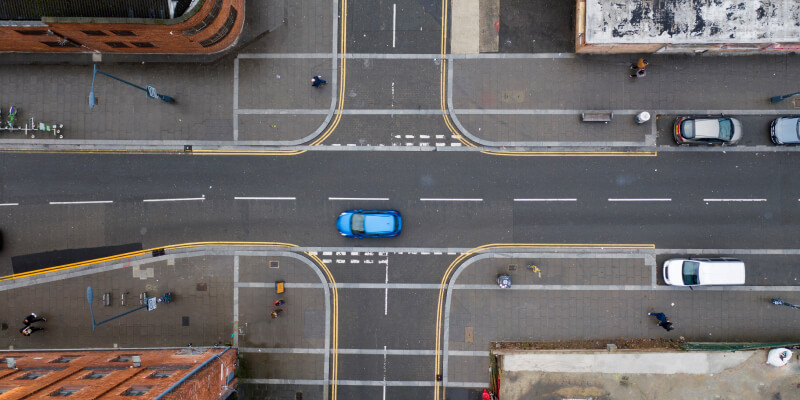
A junction is any place where two or more roads meet or cross. This can include T-junctions, roundabouts, staggered junctions, and crossroads. A crossroad is a specific kind of junction where two roads cross, giving you four possible directions to go.
These are the main types of junctions you might come across:
- T-junction: This is where one road ends and joins another at a right angle.
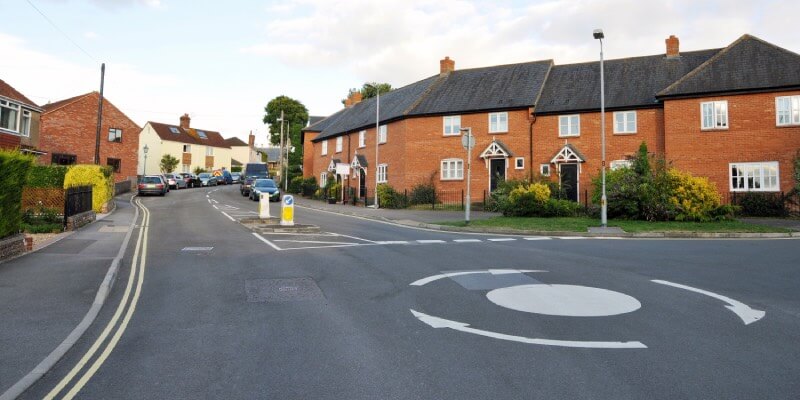
- Roundabout: This type of junction is circular, and traffic flows around a central island.
- Staggered junction: Two side roads join a main road, but they do not line up directly across from each other.
- Crossroads: Two roads cross, so traffic can move in all four directions.
It’s important to know the differences between these junctions, as each has its own layout and rules. Crossroads can be trickier since traffic might come from several directions at once, while other junctions are often more predictable. When you take driving lessons in Milton Keynes with MKDL, you’ll get to practice with all kinds of junctions in real traffic.
Crossroad Sign Examples
As you come up to a crossroad, road signs let you know what’s ahead and help you plan your next move. Learning to spot these signs quickly is a key skill, especially if you’re still gaining confidence on busy roads.
Here are some of the signs you might notice when you reach a crossroad:
- Traffic lights: These lights show you when it’s safe to go or stop at a junction.
- Stop sign: This red, eight-sided sign means you must stop completely before proceeding.
- Give way sign: This upside-down triangle tells you to slow down and let other drivers go ahead of you.
- Box junction: Yellow lines in a criss-cross pattern on the road mean you should not stop within the box.
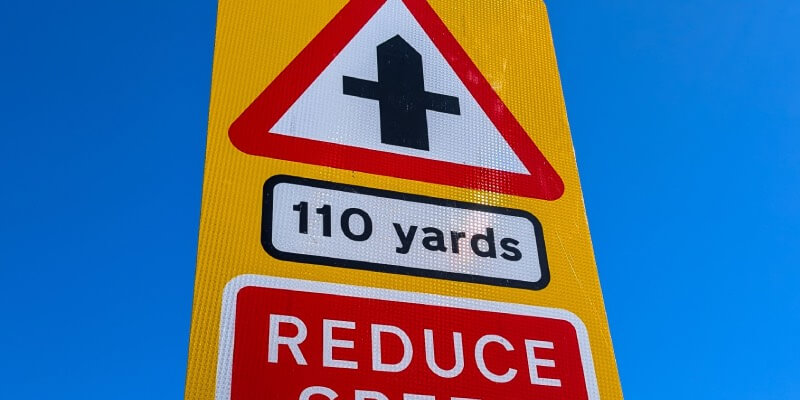
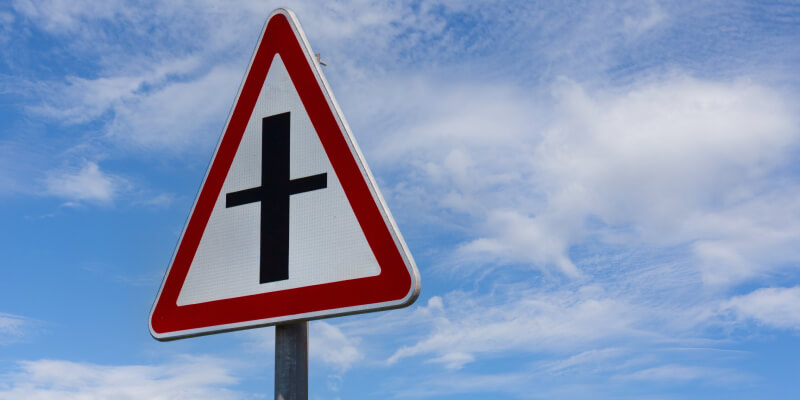
- Crossroad warning sign: A red triangle with a black cross indicates a junction ahead.
If you spot these signs early, you’ll have more time to adjust your speed, position, and look around before you reach the junction. Try to approach calmly and make smooth decisions rather than reacting at the last second.
Who Has Right of Way on a Crossroad?
Who has the right of way at a crossroad depends on whether the junction is marked or unmarked. Traffic lights, stop signs, and give-way markings show who should go first and must always be obeyed. These rules are there to keep traffic moving safely.
At an unmarked crossroad, there are no signs or signals, so drivers must use their own judgement to decide when it is safe to go. The usual rule is to give way to traffic coming from the right, but you should always check your surroundings first. Your road position, how well you can see, and what other drivers are doing all matter.
Even if you think it is your turn, do not assume other drivers will let you go. Slow down, look carefully, and be ready to stop to avoid any risks. It is always safer to be cautious than to rely only on who has priority.
Common Mistakes and Tips for Crossroads
Crossroads can be tricky for learners, not because they are hard, but because you have to pay attention to several things at the same time. It’s easy to focus on just one thing, like steering or signalling, and miss something else happening nearby. If you build good habits early, it will really help you handle these situations. This is something you’ll practise often with our driving school in Milton Keynes.
These are some common mistakes and simple ways to correct them:
- Rushing the approach: Slow down sooner so you have more time to see what’s happening.
- Focusing on one direction: Always check every direction, not just where you think traffic will come from.
- Late decision-making: Plan your next move before you get to the junction.
- Unclear positioning: Make sure your car is in the right place for the direction you want to go.
- Forgetting to look again after stopping: Always check again before you move off, even if you’ve already looked.
Getting better at crossroads is all about being consistent. The more you practise spotting risks early and giving yourself time to react, the easier it will become. If you stay calm and think ahead, you’ll be able to handle all kinds of crossroads without feeling stressed.
Confidently Handling Crossroads in Any Situation
Learning how crossroads work is a key part of becoming a safe and confident driver. It starts with understanding what a crossroads are in the UK and how to handle unmarked junctions. Each situation calls for careful observation and smart choices. If you can tell crossroads apart from other junctions, you’ll have a better idea of what to expect as you drive up to them.
If you can spot and react to common crossroad signs, you’ll have more time to get ready. Knowing who has the right of way also helps you handle different traffic situations safely. It’s just as important to notice common mistakes, so you can avoid them and build good habits while driving.
These skills will become more natural with regular practice. As you gain experience, judging gaps, reading the road, and reacting to other drivers gets easier, especially when you learn with MKDL and drive in different real-world situations.